
Authorities Arrest Gawad Kalinga Founder Tony Meloto
Police arrested Gawad Kalinga founder Tony Meloto in Angat, Bulacan, after a court issued a warrant for his arrest on two counts of qualified trafficking in persons. According to authorities, the charges are non-bailable, meaning he cannot automatically secure temporary release while the case is being heard in court.
The arrest is connected to a case previously investigated by the Department of Justice (DOJ). In September last year, the DOJ found sufficient evidence to formally charge Meloto over allegations involving the sexual abuse of two male beneficiaries of Gawad Kalinga in 2017. The complainants were scholars under the organization’s programs and claimed that the incidents occurred at the GK Enchanted Farm in Angat, Bulacan. One of the complainants also alleged that a similar incident took place during a Gawad Kalinga-related speaking engagement in Lyon, France.
Based on the DOJ’s findings, prosecutors concluded that the allegations went beyond simple acts of misconduct. They determined that the reported actions met the legal definition of sex trafficking and were aggravated by the alleged abuse of authority. Investigators also noted that the accusations suggested a pattern of exploitation that allegedly took advantage of the organization’s structure and the trust placed in its leadership.
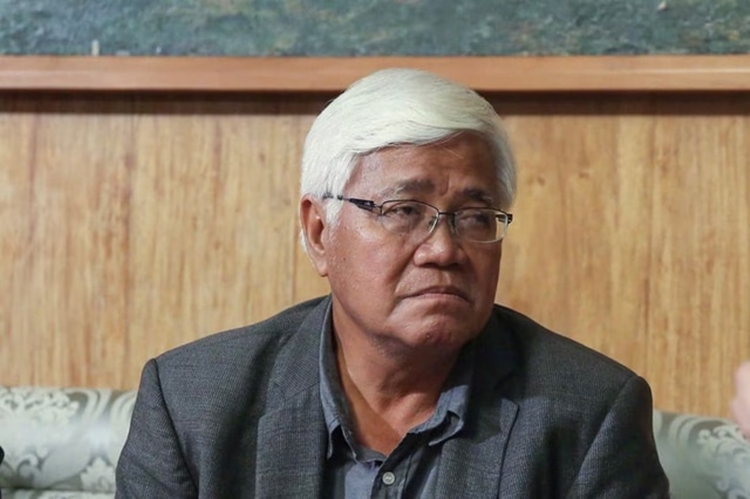
The case has drawn significant public attention due to Meloto’s long-standing role as the founder of Gawad Kalinga, a well-known non-government organization focused on poverty reduction and community development. Following an internal investigation conducted by the organization’s board in 2017, Meloto left Gawad Kalinga in the same year.

Legal proceedings against Meloto are expected to continue as the court reviews the evidence and hears both sides of the case. Authorities have emphasized that the charges stem from the findings of the DOJ investigation, while the court will ultimately determine his legal responsibility based on the evidence presented during the trial.