
Netizens Question Robin Padilla’s Understanding of Force Majeure
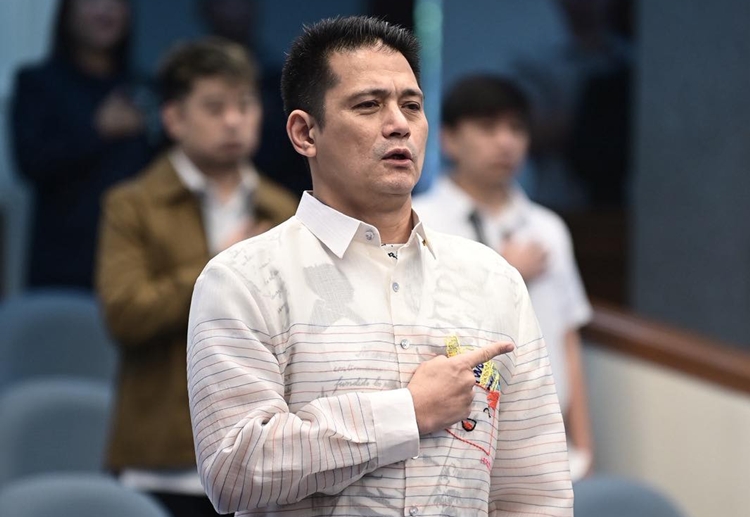
ROBIN PADILLA – The senator faced heavy criticism online after sharing his views about the meaning of “force majeure” in relation to current global tensions and the Senate’s proposed video conferencing rules.
In a Facebook post, Padilla mentioned ongoing wars in the Middle East, terrorism in different parts of the world, and the possible involvement of the Philippines in the China-Taiwan conflict. He questioned whether these situations could already be considered force majeure.
Although he did not directly mention the issue, many believed his statement was connected to the ongoing debate in the Senate about allowing remote participation in sessions. The discussion became controversial after the Senate majority pushed for changes in the rules that could allow Senator Ronald “Bato” dela Rosa, who is reportedly in hiding, to join Senate sessions through video conferencing.
Senator Risa Hontiveros opposed the proposal and explained that video conferencing was previously allowed during the COVID-19 pandemic because it was considered a national emergency and physical attendance was difficult. She stressed that the situation today is different and said public officials should continue to respect legal processes and perform their duties in person whenever possible.
Padilla’s post quickly went viral, gaining tens of thousands of reactions and comments, many of which criticized or mocked his understanding of the legal term “force majeure.” Several netizens pointed out that force majeure refers to unexpected and unavoidable events that are already happening and directly prevent normal operations. According to many online users, possible future conflicts or weather forecasts cannot automatically be used as legal grounds for remote Senate participation.

In response to the backlash, Padilla later shared a broader explanation of force majeure, listing examples such as wars, terrorism, floods, earthquakes, and severe weather conditions. He also mentioned forecasts about a possible strong El Niño event in late 2026 and early 2027. However, many netizens remained unconvinced and argued that forecasts and possible risks are meant for preparation, not as automatic legal exemptions.
The issue sparked wider public discussion about Senate rules, accountability, and the importance of understanding legal concepts before making public statements. Many Filipinos online expressed disappointment, while some supporters still defended Padilla’s position.
Related Post: Robin Padilla’s Cryptic “Tarat” Post Sparks Online Speculation