
Woman Faces Charges for Selling Agarwood Seedlings
ILLEGAL? – A single mother, identified only as Sharon, was arrested in San Fernando, Cebu, for planting and selling Agarwood, locally known as lapnisan, a rare and highly valuable tree species.
Authorities from the National Bureau of Investigation Cebu District Office (NBI-CEBDO) acted after receiving information that Sharon was advertising her Agarwood seedlings for sale on Facebook. Agents conducted a raid in her backyard garden, resulting in her arrest.
Sharon, originally from Davao Oriental, has been growing Agarwood since 2019. She explained that the trees had only recently matured, as they require fertile soil and cool conditions to thrive. She obtained seeds and seedlings from a supplier in Basilan and had been carefully tending them over the years.
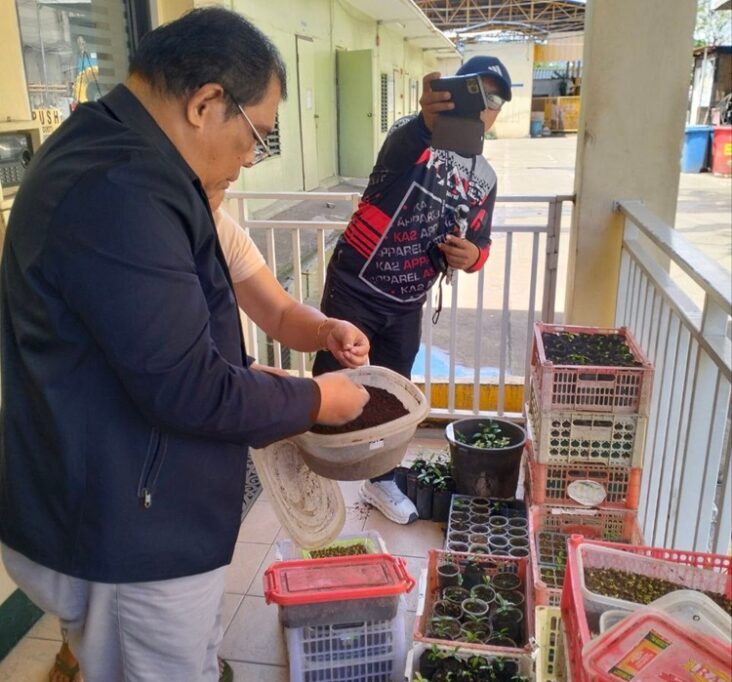
During the operation, authorities confiscated more than 1,000 seedlings, estimated to be worth around PHP 300,000. Individual seedlings sell for PHP 200 to PHP 1,000, depending on size and quality, while mature Agarwood can fetch up to USD 100,000 (roughly PHP 5 million) per kilogram due to its rarity and high demand.
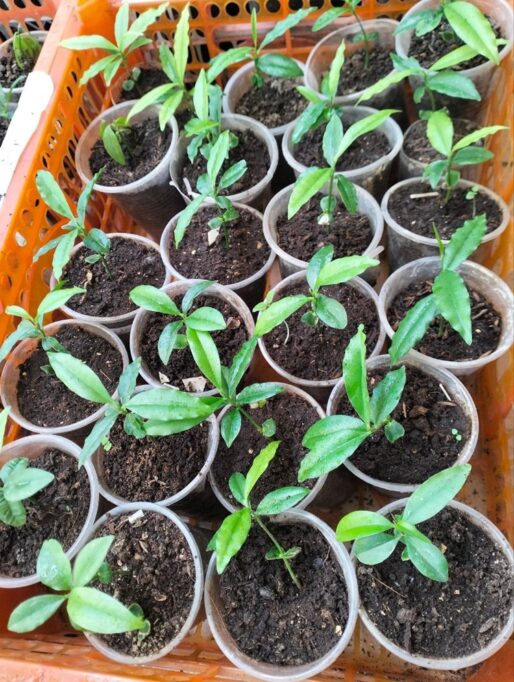
NBI-CEBDO Chief Arnel Pura noted that Sharon will face charges under Republic Act No. 9147, which penalizes the illegal handling of endangered species with fines ranging from PHP 100,000 to PHP 1,000,000 or imprisonment from six to twelve years. Authorities clarified that cultivating and selling Agarwood is legal only if proper permits are secured from NBI-CEBDO, emphasizing the importance of following the law to protect endangered plants.
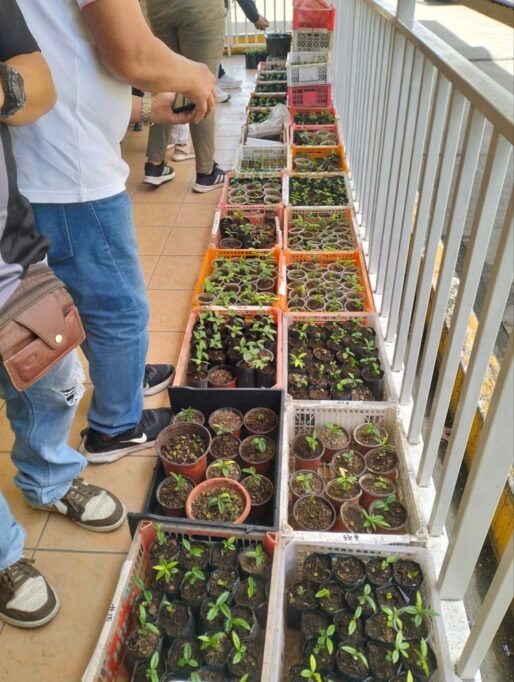
Meanwhile, Agarwood, also called gaharu or lapnisan, is a rare, aromatic wood formed in Aquilaria trees when infected by a mold, producing a prized resin used in perfumes, incense, and traditional medicine. Its rarity, long growth period, and high demand make it extremely expensive, sometimes fetching tens of thousands of dollars per kilogram. Planting or selling Agarwood without a permit is illegal in the Philippines because it is an endangered species, and permits ensure sustainable cultivation while preventing illegal trade.