
What Is the International Criminal Court and Why It Matters
ICC EXPLAINED – The International Criminal Court, often called the ICC, is a global court that deals with serious crimes that affect many people or even entire countries.
It was created in 2002 through an agreement known as the Rome Statute, which was signed by many countries around the world. The main purpose of the ICC is to make sure that individuals who are responsible for very serious crimes are held accountable, especially when their own countries are unable or unwilling to investigate or punish them.
The ICC focuses on four main types of crimes. These are genocide, crimes against humanity, war crimes, and the crime of aggression. Genocide refers to acts intended to destroy a group of people, such as an ethnic or religious group. Crimes against humanity include widespread attacks against civilians, such as killings, torture, or forced disappearance. War crimes are serious violations of the laws of war, while the crime of aggression involves the use of armed force by one country against another without justification.
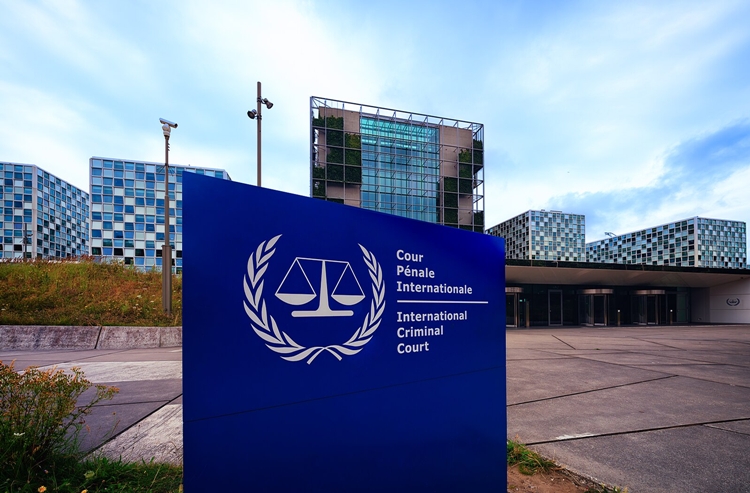
The court is located in The Hague, Netherlands, and it works independently from the United Nations, although it may receive support or referrals from it. The ICC does not replace national courts. Instead, it only steps in when a country cannot properly handle a case on its own.
The ICC is made up of judges and prosecutors from different countries who work together to investigate cases, collect evidence, and hold trials. If a person is found guilty, the court can impose penalties such as imprisonment.
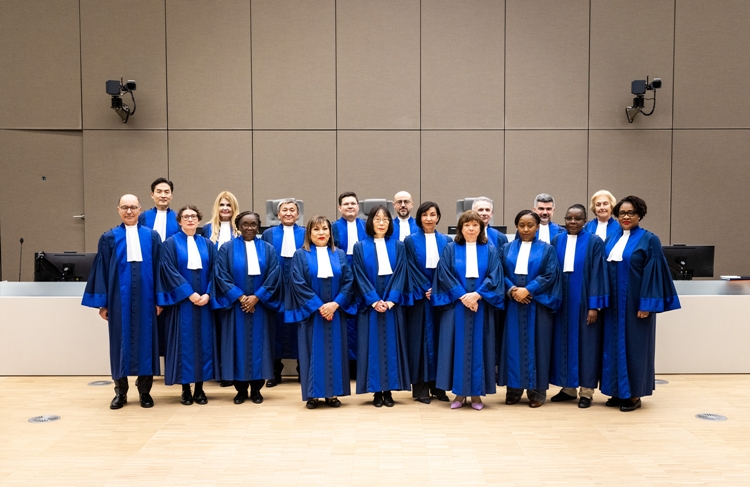
However, the ICC only has power over countries that are members of the Rome Statute or in cases referred by the United Nations Security Council. This means not all countries are under its full jurisdiction.