
The Filipino Way of Experiencing Sabado de Gloria
Sabado de Gloria feels different in the Philippines because it carries a unique blend of deep sorrow, quiet anticipation, and sudden celebration that reflects the heart of Filipino faith and culture. Unlike in many countries where Black Saturday remains mostly solemn, Filipinos experience it as a transition—from mourning to joy.
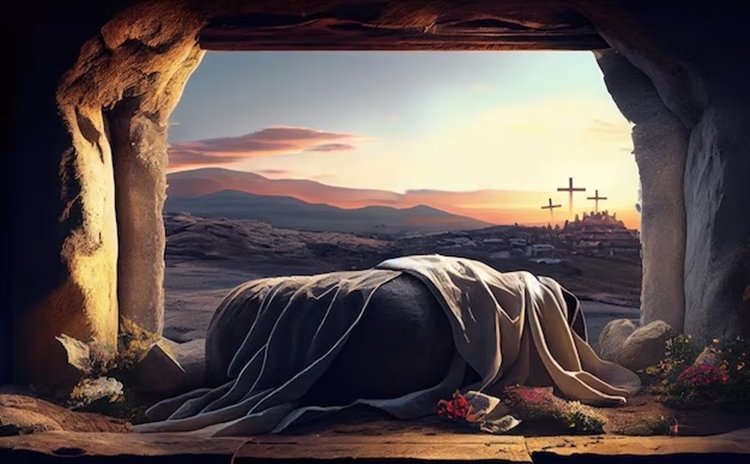
During the day, the atmosphere is still heavy. Churches are silent, altars remain bare, and many families continue their prayers and reflections. It is a time of waiting, remembering that Jesus lies in the tomb. This stillness mirrors the emotional weight felt by followers like the Virgin Mary and Mary Magdalene, who endured grief and uncertainty. For many Filipinos, this part of the day is marked by introspection, fasting, or simply staying quiet at home.
But what truly sets “Sabado de Gloria” apart is what happens as night approaches. The mood begins to shift. Communities prepare for the Easter Vigil, the most important liturgical celebration in the Church. When the lights go out and the Paschal candle is lit, it symbolizes the return of Christ as the light of the world. From darkness, hope slowly rises.
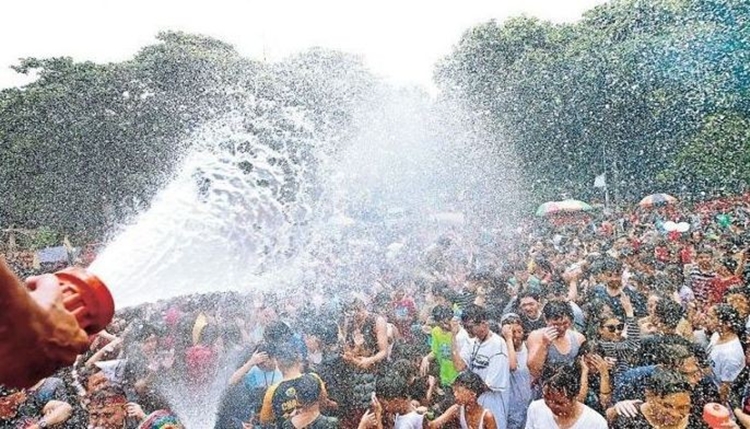
In many parts of the Philippines, traditions take on a more vibrant and even festive tone. One well-known practice is “basaan,” where people splash water on each other in the streets. While it may seem playful, it symbolizes renewal, cleansing, and new life—echoing the joy of the resurrection that is about to be celebrated. It’s a uniquely Filipino expression of faith, where spirituality and community joy meet.
There is also a strong sense of togetherness. Families gather, neighbors interact, and entire communities participate in the transition from sorrow to celebration. This reflects a core Filipino value—the ability to find hope and joy even after pain and hardship.