
Catholic vs Protestant Maundy Thursday Observances
Maundy Thursday, also known as Holy Thursday, commemorates the Last Supper of Jesus Christ with His disciples. While both Catholic and Protestant Christians observe this significant day, their traditions and practices differ, reflecting variations in theology, liturgy, and cultural expressions.
In the Catholic Church, Maundy Thursday is a solemn day focused on the Eucharist and the priesthood. The day’s central event is the Mass of the Lord’s Supper, during which the priest reenacts the washing of the disciples’ feet, symbolizing humility and service. This ritual emphasizes Jesus’ commandment to “love one another” and is a reminder of the sacrificial nature of Christian life. The Eucharist is consecrated, and the faithful receive Holy Communion, commemorating the institution of the sacrament.
After the Mass, the altar is stripped, and the Blessed Sacrament is moved to a separate location for adoration, encouraging prayer and reflection. Catholics often practice Visita Iglesia, visiting multiple churches to pray and meditate on the Passion of Christ. Fasting, abstinence from meat, and acts of charity are also common practices.
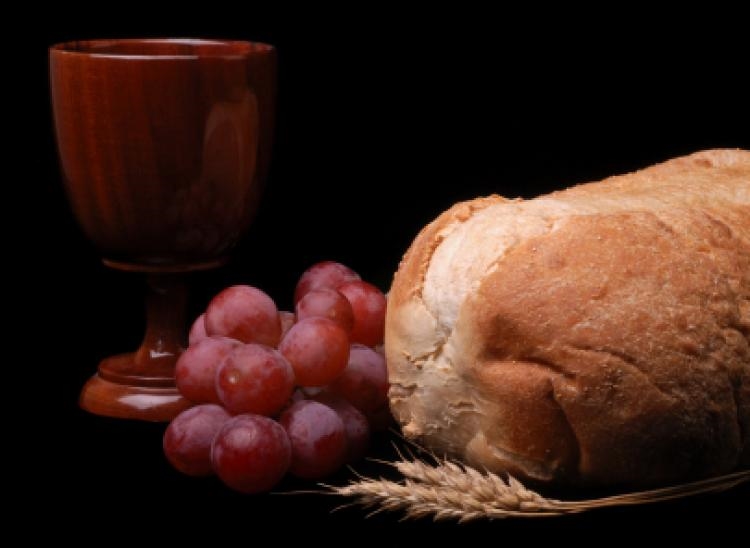
In contrast, Protestant denominations such as Lutheran, Anglican, and Methodist churches focus on the teachings and example of Jesus rather than sacramental rituals. Services on Maundy Thursday often include Scripture readings, hymns, and a sermon reflecting on Jesus’ Last Supper, His washing of the disciples’ feet, and His command to love and serve others. Communion may be celebrated, but practices vary widely depending on the denomination.
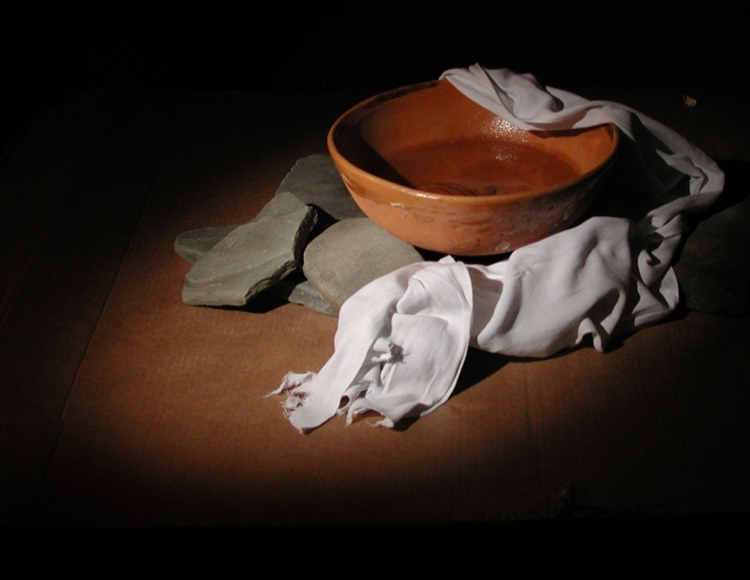
Some Protestant churches incorporate a foot-washing ceremony, especially to highlight humility and service, while others emphasize prayer vigils or meditative reflection on Jesus’ sacrifice. Stripping the altar is less common, and formal fasting is generally not observed.
Despite these differences, both Catholic and Protestant communities share the same underlying purpose: to remember Jesus’ selfless love, His teachings on service, and the institution of the Eucharist. Maundy Thursday remains a day for deep reflection, spiritual preparation for Good Friday, and renewed commitment to following Christ’s example of humility and compassion.