
DepEd Unveils 4H Heat Protocol to Keep Schools Safe and Classes Running as a Strong El Niño Looms
DEPED – The Department of Education (DepEd) has rolled out nationwide guidelines to keep learners and teachers safe, and lessons going, as a strong to very strong El Niño threatens to bring extreme heat and water shortages to schools, Education Secretary Sonny Angara announced on Tuesday, October 27, 2026.
The rules are contained in DepEd Memorandum No. 64, series of 2026, which is effective immediately. They stay in force until the weather bureau PAGASA officially declares the end of the 2026-2027 El Niño episode, which is forecast to persist into the first half of 2027.
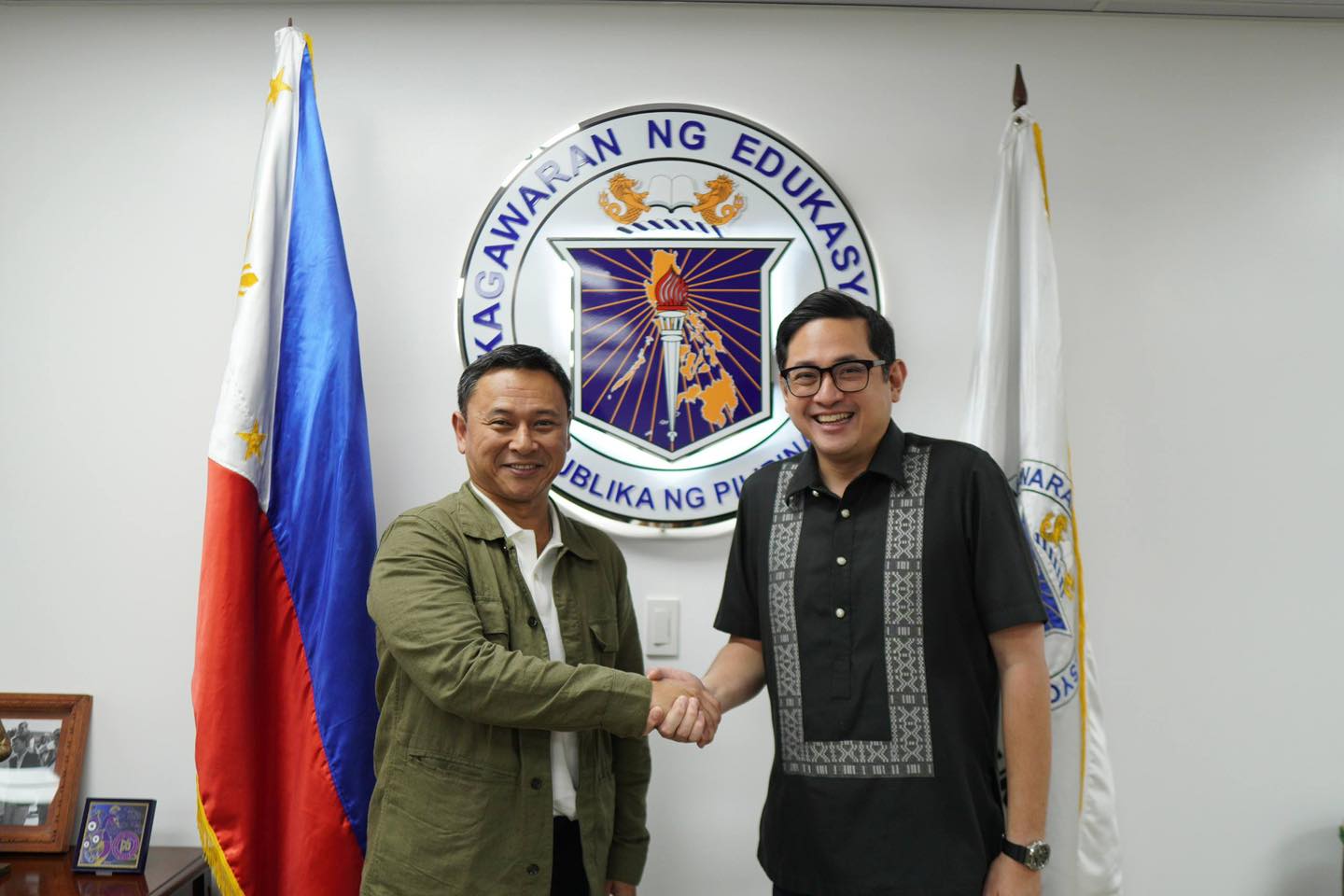
“We cannot afford to wait until extreme heat hits before we act. Our plan this year is proactive, deliberate and organized,” Angara said.
How the 4H framework works
Instead of ordering blanket suspensions, the memo asks schools to adjust how they teach based on local conditions, using four levels called Hayo, Hinay, Hinga and Hinto.
Hayo (below 27°C): Regular face-to-face classes continue, with scheduled hydration breaks, well-ventilated rooms and outdoor activities moved to cooler hours.
Hinay (27°C to 32°C): School heads may shorten in-person hours or shift to hybrid or home-based schedules, such as classes from 6 a.m. to 10 a.m. and 2 p.m. to 6 p.m.
Hinga (33°C to 41°C): Physical classes are suspended. Learners move to lighter tasks at home, such as learning packets and broadcast lessons, while teachers check on their well-being.
Hinto (42°C and above): All physical and home-based academic activities are suspended, and schools focus on safety checks and referrals for psychosocial support.
Schools will base their decisions on classroom-level temperature and humidity readings taken three times a day, at 8 a.m., 12 noon and 2 p.m. Education Undersecretary Malcolm Garma earlier explained that a school head cannot simply send learners home on his or her own. The decision has to be vetted by the schools division office, with coordination with the local government where needed, so that suspensions are not abused.
“Through our 4H framework and daily, classroom-level monitoring, we are empowering our school heads with the flexibility to adjust hours or shift to modular learning only when local conditions genuinely require it,” Angara said.
Water, food and fire safety
The memo also tells schools to check that their clean water supply is reliable, set up safe drinking stations and make provisions for the emergency purchase of water filtration kits when needed. School-based feeding programs must continue, and schools are to carry out electrical inspections and clear dry vegetation under the Fire Code of the Philippines.
Learners, teachers and other personnel may wear light, breathable alternative uniforms or previously issued DepEd collared shirts. In the longer term, the department said it is studying the use of solar energy in public schools.
“We are making sure our schools are fully prepared to manage heat stress, water shortages and health risks, protecting the safety and well-being of our learners and personnel without unnecessarily sacrificing precious classroom time,” Angara added.
For more on learning concerns in public schools, read EDCOM 2: 1 in 10 Grades 1-3 Learners Still Struggling to Read.