
Good Friday Celebrations in Different Countries
Good Friday is a sacred day observed by Christians worldwide, commemorating the crucifixion and death of Jesus Christ. While the meaning remains the same, traditions vary across countries, reflecting diverse cultures and expressions of faith.
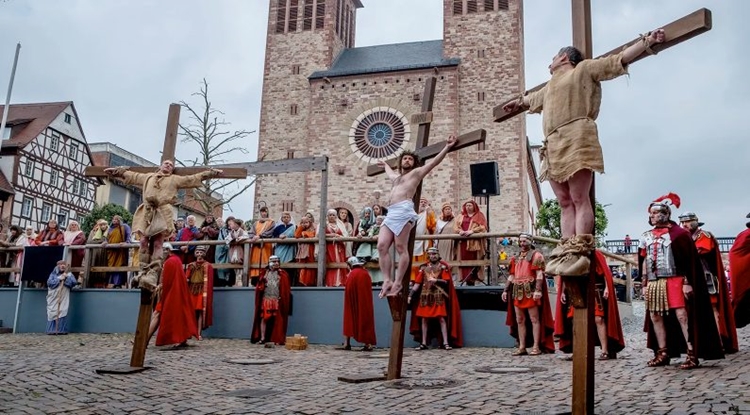
In the Philippines, Good Friday is marked by deep devotion and solemn rituals. Many Filipinos participate in Senakulo, a dramatic reenactment of Christ’s Passion, while others join processions featuring religious images. Some devotees even practice acts of penance, such as self-flagellation, as a form of sacrifice and repentance. Churches remain quiet, and many people spend the day in prayer and reflection.
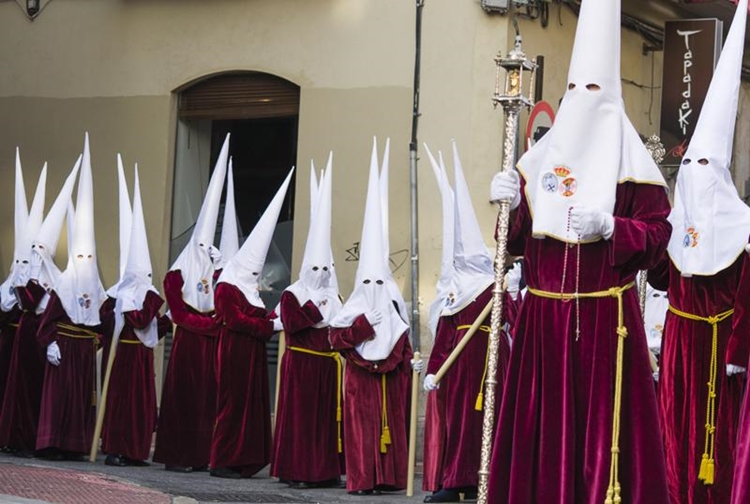
In Spain, Good Friday is known for its grand and emotional processions, especially in cities like Seville. Religious brotherhoods carry large floats depicting scenes from the Passion of Christ, accompanied by solemn music and participants dressed in traditional robes. These processions can last for hours and attract both locals and tourists.
In Italy, particularly in Rome, the Pope leads the Stations of the Cross at the Colosseum. This powerful event recalls Jesus’ journey to Calvary and is broadcast worldwide. Many Italian towns also hold their own processions, emphasizing silence and reverence.
In Mexico, Good Friday is observed with Via Crucis reenactments, where participants act out the suffering of Christ in public spaces. These events are often dramatic and deeply moving, drawing large crowds who reflect on the sacrifice of Jesus.
In Germany, Good Friday, or Karfreitag, is a quiet public holiday. Dancing and loud celebrations are prohibited in many areas, reinforcing the solemn nature of the day. Church services focus on prayer, scripture readings, and reflection.
In the United Kingdom, churches hold special services, including the Three Hours’ Devotion, which reflects on the final hours of Jesus on the cross. Many believers fast or avoid certain activities as a sign of respect.
Across the world, Good Friday traditions share a common purpose: to honor the sacrifice of Jesus Christ through prayer, reflection, and acts of devotion. Despite cultural differences, the day unites Christians in remembering one of the most significant events in their faith.