
The Black Saturday Bushfires
The Black Saturday bushfires were one of the worst natural disasters in Australia’s history.
They occurred on February 7, 2009, in the state of Victoria, after days of extreme heat and dry conditions. Temperatures reached over 46°C (115°F), and strong winds made the situation even more dangerous. These conditions created the perfect environment for fires to start and spread quickly.
On that day, hundreds of bushfires broke out across the region. Many were caused by fallen power lines, lightning strikes, or human activity. The fires moved incredibly fast, destroying everything in their path. Entire towns were burned within hours, leaving little time for people to escape. Thick smoke filled the air, making it difficult to see or breathe.
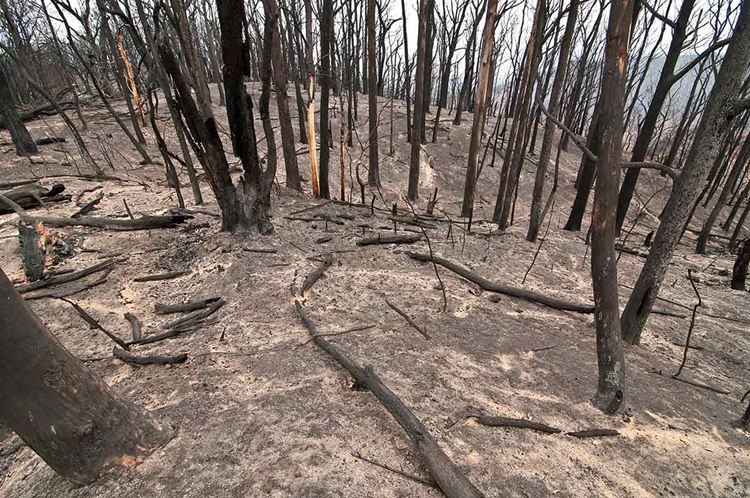
The disaster led to the deaths of 173 people, making it one of the deadliest bushfire events in the country. Thousands of homes were destroyed, and many families lost everything they had. Communities such as Kinglake and Marysville were among the hardest hit, with widespread destruction and loss of life.
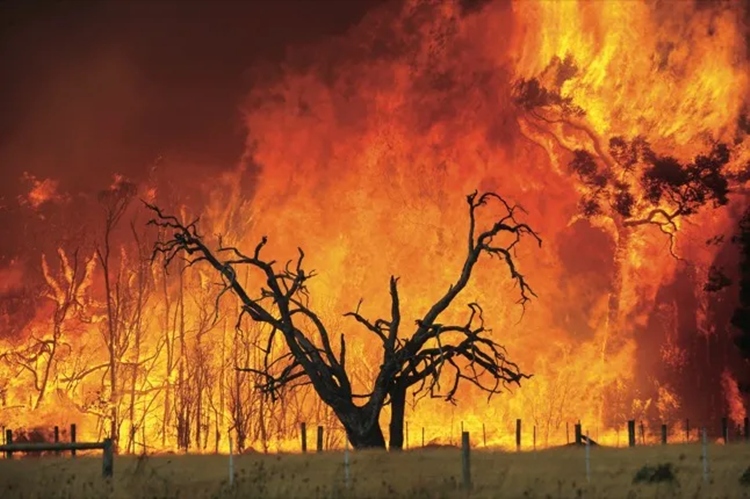
Firefighters, volunteers, and emergency workers risked their lives to battle the flames and rescue those trapped. Despite their efforts, the scale and speed of the fires made the situation extremely difficult to control. In the aftermath, many survivors shared heartbreaking stories of loss, bravery, and survival.
Following the disaster, the Australian government launched the Victorian Bushfires Royal Commission to investigate what happened and how future tragedies could be prevented. The commission led to major changes in fire safety policies, including improved warning systems, stricter building standards, and better emergency response plans.
Meanwhile, Black Saturday is the day between Good Friday and Easter Sunday in the Christian calendar, when Jesus Christ lay in the tomb. It is a time of silence, mourning, and waiting before His resurrection.