
Several Government Offices to Shift to 4-Day Work Week Amid Fuel Price Hike
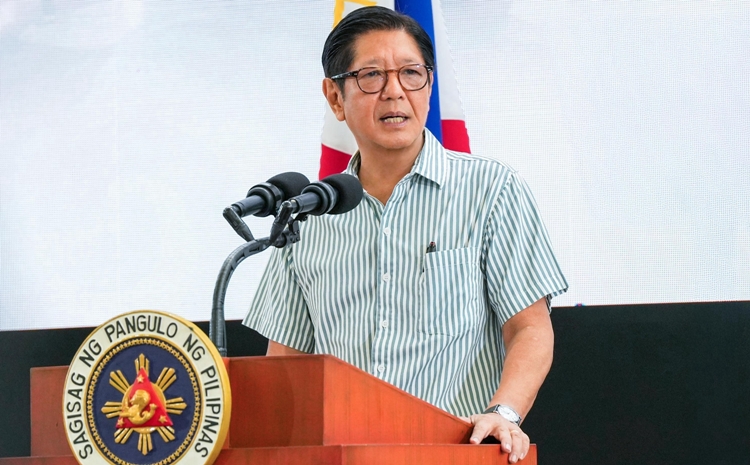
FERDINAND MARCOS JR. — The president announced that several government offices under the Executive Department will temporarily implement a four-day work week starting March 9.
The decision aims to conserve energy and reduce fuel consumption as global oil prices continue to rise due to tensions in the Middle East. The government hopes this temporary arrangement will help lower operational costs while addressing the impact of increasing fuel prices.
Under the plan, affected government agencies will adopt a compressed work schedule or designate one day for work-from-home arrangements while maintaining four days of onsite work. However, offices that provide emergency and essential frontline services will not be included in the new schedule. Agencies such as the police, firefighters, and government offices that deliver critical public services will continue regular operations to ensure that assistance remains available to the public.
The four-day work week will remain in effect until the president decides to lift or modify the arrangement. Government agencies are also required to create internal guidelines to monitor attendance, productivity, and employee performance during the temporary schedule.
In addition, the president directed all government offices to strengthen their energy conservation efforts. Agencies are required to reduce electricity and fuel consumption by 10 to 20 percent. Non-essential trips and activities, such as study tours, team-building events, and meetings that can be conducted online, are temporarily suspended.

The move comes as petroleum prices are expected to rise further in the coming weeks, with possible increases in gasoline, diesel, and kerosene. To address the situation, the government is coordinating with Congress on measures that could allow a reduction in fuel excise taxes if global oil prices exceed a certain level. The administration is also preparing fuel subsidies and financial assistance for sectors affected by rising fuel costs.
The president assured the public that the government is closely monitoring the prices of basic goods and warned businesses against hoarding and profiteering. He emphasized that taking advantage of the situation is illegal and that authorities will continue monitoring market conditions to protect consumers.