
Historic Home Where José Rizal Finished Noli Me Tangere Purchased by Leandro Leviste
LEANDRO LEVISTE – The representative of Batangas’ 1st District has purchased a historic house in Wilhelmsfeld where Philippine national hero José Rizal completed his famous novel Noli Me Tangere in February 1887.
The lawmaker shared the news on his Facebook page, explaining that the main purpose of buying the property is to preserve an important historical site connected to Rizal’s life and works. According to him, the house represents a place where ideas were formed that later helped inspire Filipinos during the struggle for freedom and contributed to shaping the nation’s identity.
The decision to purchase the house was reportedly encouraged by his mother, Loren Legarda. The property was originally owned by a Protestant church and had served as a residence for pastors since 1886. However, it has not been used since the COVID-19 pandemic. When the opportunity to preserve the property arose, Legarda suggested that her son personally purchase it so it could be protected and eventually turned into a museum. The plan is to open the site to Filipinos and international visitors who travel to Wilhelmsfeld so they can learn more about Rizal’s life, his writings, and his role in Philippine history. Leviste also clarified that the purchase was made using private funds and not government money.
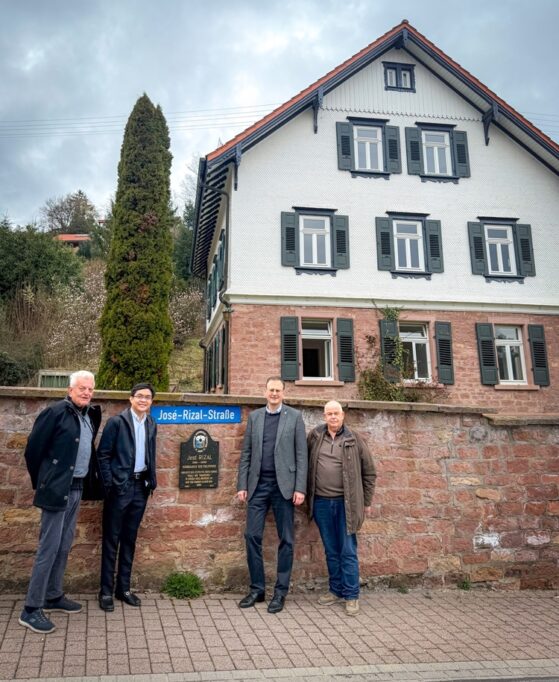
Rizal stayed in Wilhelmsfeld in 1886 while studying ophthalmology at the University of Heidelberg. During that time, he was invited to stay by his friend Pastor Karl Ullmer. Aside from completing Noli Me Tangere there, Rizal also wrote the poem A las flores de Heidelberg, which expressed his longing for the Philippines while studying abroad.
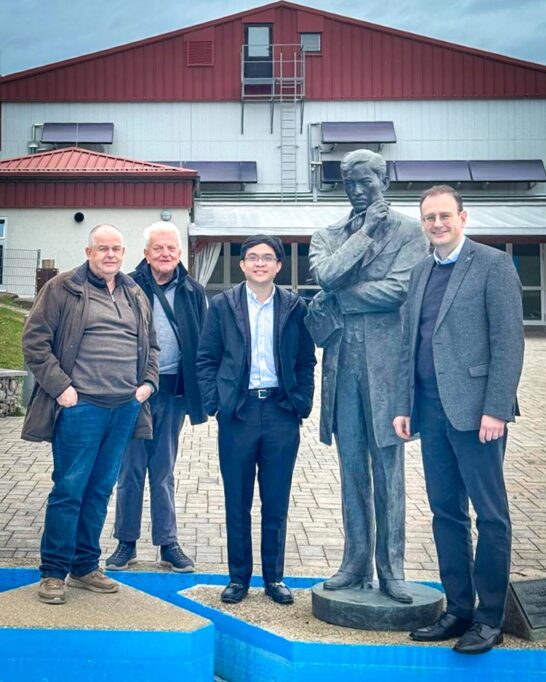
A signing ceremony for the purchase was held with Dr. Franz Hack Ullmer, the great-grandson of Pastor Karl Ullmer, along with local officials and representatives of the church that previously owned the property. As part of the event, Dr. Ullmer also presented Leviste with a table similar to the one believed to have been used by Rizal when writing Noli Me Tangere, along with several historical items from the Ullmer family’s Rizal collection.
Related Post: Jose Rizal’s 1887 Letter Discovered in Austria