
Congress Members Step Up to Help Citizens Struggling with Rising Oil Costs
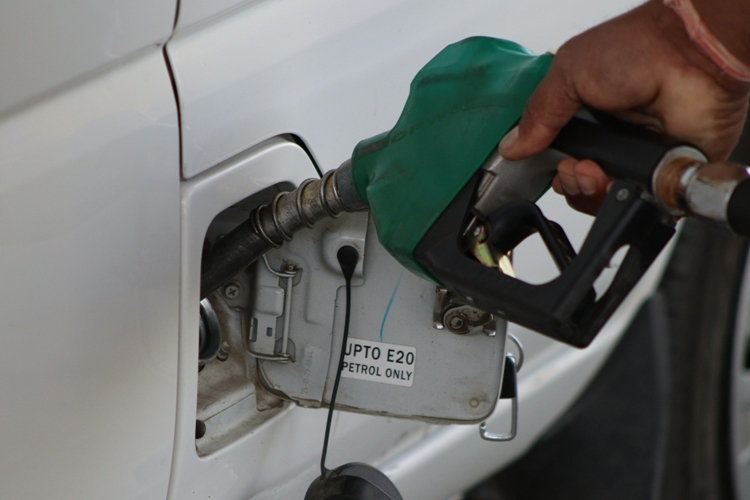
Malacañang has expressed support for a plan by several congress members to donate part of their salaries to help sectors directly affected by rising oil prices, which have been exacerbated by ongoing tensions in the Middle East.
According to Palace Press Officer Atty. Claire Castro, the initiative is a positive and commendable gesture. She emphasized that President Ferdinand Marcos Jr. would not dictate how government officials should contribute to relief efforts. Instead, the voluntary move by members of the House of Representatives reflects a sincere effort to assist ordinary Filipinos during difficult times. Castro described the proposed donations as a meaningful way for legislators to support both the government and citizens affected by the current energy crisis.
The Palace also noted that the Executive branch is implementing strict cost-cutting measures to reduce energy consumption and lower expenses across government operations. These measures aim to ease the financial strain caused by global fuel price increases. “Sabi po nila, magdo-donate nga daw sila ng kanilang suweldo, magandang gesture ‘yan para makatulong sa ating pamahalaan,” Castro said.
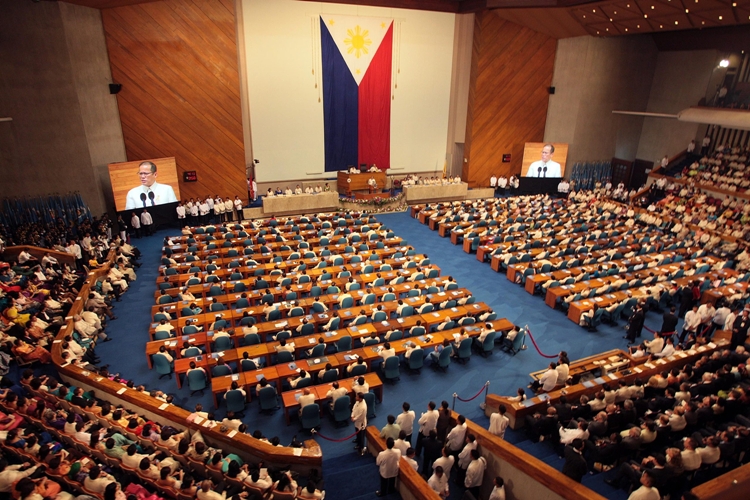
At present, the congress members are waiting for guidance from the House leadership regarding their plan to donate part of their salaries. The proposal is intended as an act of solidarity and care for the Filipino people who are struggling with higher fuel costs.
Meanwhile, the Congress of the Philippines is the country’s national legislature, responsible for making laws, approving budgets, and overseeing the executive branch. It is a bicameral body, meaning it has two chambers: the Senate, composed of 24 senators elected nationwide, and the House of Representatives, consisting of district and party-list representatives. The Senate represents the nation as a whole, while the House represents local districts and sectors. Congress holds the power to pass bills, ratify treaties, and conduct investigations in aid of legislation. It also plays a key role in checking and balancing the powers of the President and other government branches.