
How Serious is President Marcos’ Diverticulitis?
President Ferdinand “Bongbong” Marcos Jr. recently shared positive news about his health after recovering from a brief medical observation due to discomfort caused by a condition called diverticulitis.
On Thursday, January 22, he assured the public that he is feeling much better than in the previous days. He also explained that this condition is common among people who experience high levels of stress and those who are aging, helping to ease public concern about his health.
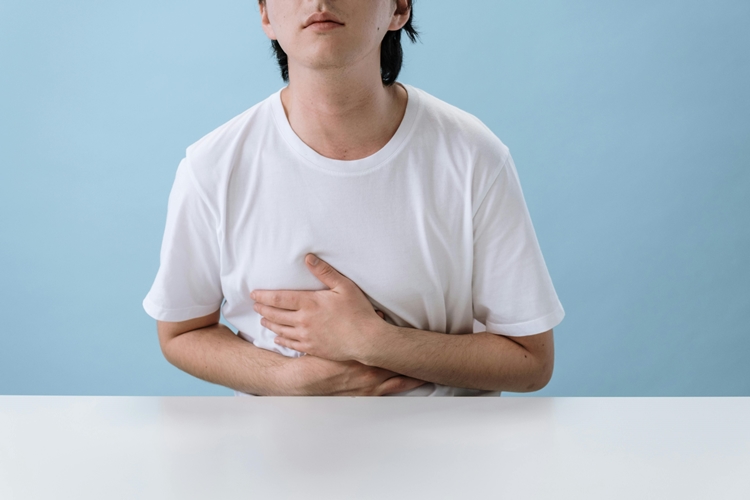
Diverticulitis is a condition in which small pouches, called diverticula, form in the wall of the colon or large intestine. These pouches can become inflamed or infected, often causing abdominal pain. Although experts have not identified a single cause, bacteria can accumulate in these pouches and trigger infection. Studies also show that high pressure inside the colon can push against weak spots in the intestinal wall, leading to the formation of these pouches over time.

Several factors may increase the risk of developing diverticulitis. These include eating too much red meat and a low-fiber diet, being overweight, smoking, lack of regular exercise, and taking certain medications such as steroids or nonsteroidal anti-inflammatory drugs (NSAIDs). Common symptoms include abdominal pain—especially on the left side—diarrhea or constipation, fever, chills, nausea, vomiting, and in some cases, rectal bleeding or mucus.
Most cases of diverticulitis improve with proper care and time. Doctors may prescribe antibiotics to reduce infection and inflammation. Patients are often advised to follow a temporary clear liquid diet and take doctor-approved pain relievers. In more severe cases, hospitalization may be required to administer antibiotics intravenously, and surgery may be needed if complications develop.
President Marcos emphasized that his condition is not life-threatening and urged the public not to worry. He reassured everyone that rumors about serious danger to his health are false and confirmed that he remains fully capable of carrying out his duties.