
Schools will plant munggo, okra, malunggay and other hardy crops and use water-saving methods to keep the School-Based Feeding Program supplied during the dry spell
The Department of Education (DepEd) is shifting public school vegetable gardens to drought-resistant crops and water-saving farming methods as the country braces for a possible Super El Niño, according to the agency’s latest announcement as of Monday, November 2, 2026.
The changes fall under DepEd’s Gulayan sa Paaralan Program (GPP), which grows vegetables on school grounds. The goal is to keep gardens producing even during long dry spells, extreme heat and water shortages, so that learners continue to receive fresh produce through the School-Based Feeding Program.
“Kailangan nating maging handa at resourceful sa gitna ng hamon ng El Niño. Sa ilalim ng administrasyon ni Pangulong Marcos, prayoridad natin na hindi maputol ang suporta sa nutrisyon ng ating mga mag-aaral,” Education Secretary Sonny Angara said, stressing that schools must be ready and resourceful so that nutrition support for learners is not cut off.
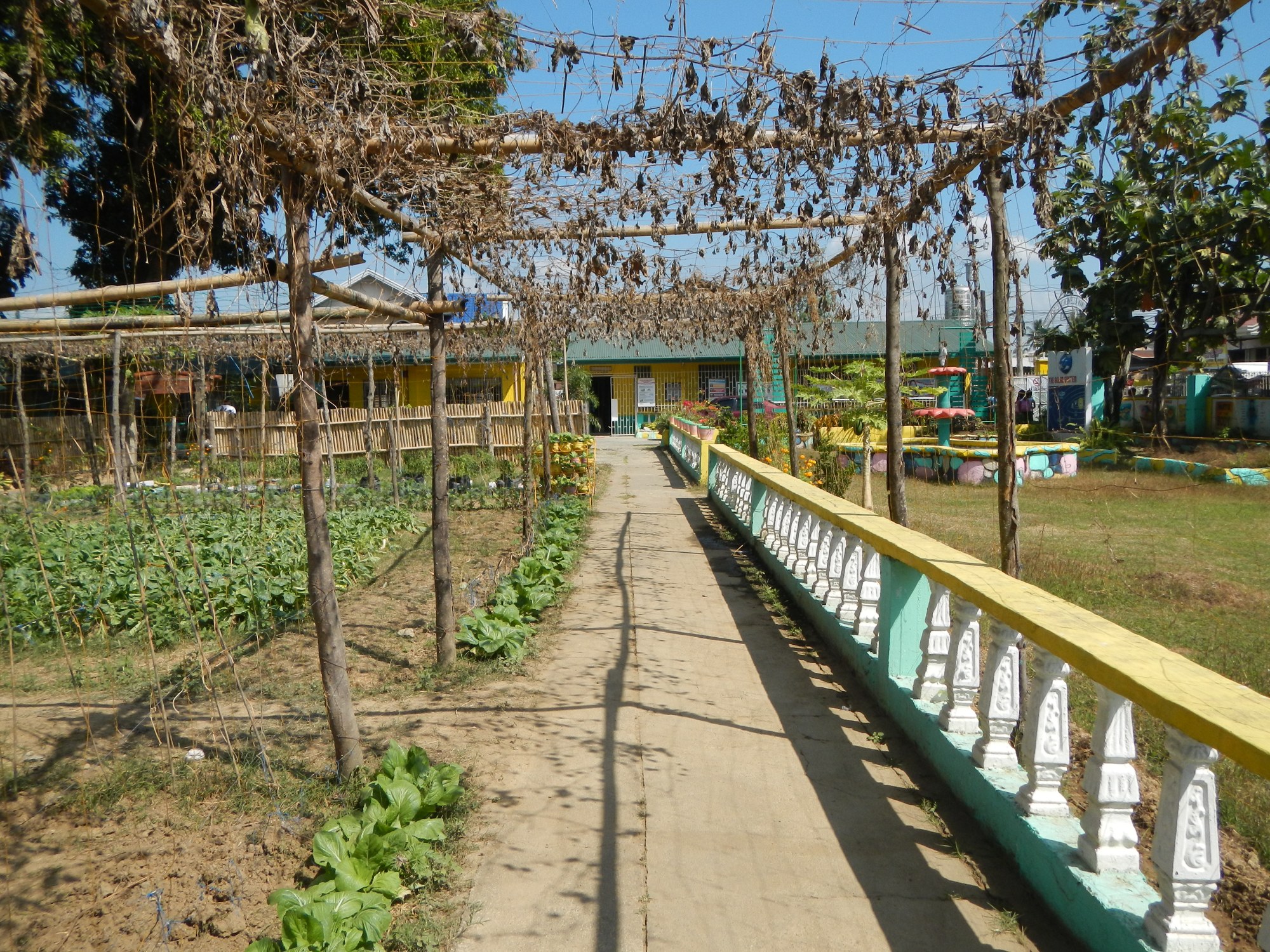
Under the revised guidelines, schools will prioritize short-cycle and drought-resistant crops such as munggo, okra, malunggay, saluyot, alugbati and kamote, instead of vegetables that need more water.
Schools are also being told to save water through organic mulching, rainwater harvesting, alternate-day watering and drip irrigation. Campuses with little open space, especially in cities, are encouraged to try container gardening, hydroponics and vertical farming.
DepEd said harvests will be timed with school feeding menus so the vegetables can go straight to learners’ meals. The department is asking local government units, parents, teachers and student groups, including the Youth for Environment in Schools Organization, to help maintain the gardens through the dry months.
“Sa tulong ng ating mga guro, magulang, at mga lokal na pamahalaan, pinatitibay natin ang ating mga hardin upang maging gabay at sandigan sa panahon ng tagtuyot. Sama-sama nating itinataguyod ang kinabukasan ng ating kabataan,” Angara added, saying the gardens are being strengthened with the help of teachers, parents and LGUs to serve as a support during drought.
The move follows the recent launch of hydroponics greenhouses in 200 public schools and DepEd’s earlier instruction for schools to use MOOE funds to buy electric fans as part of its El Niño preparations.